


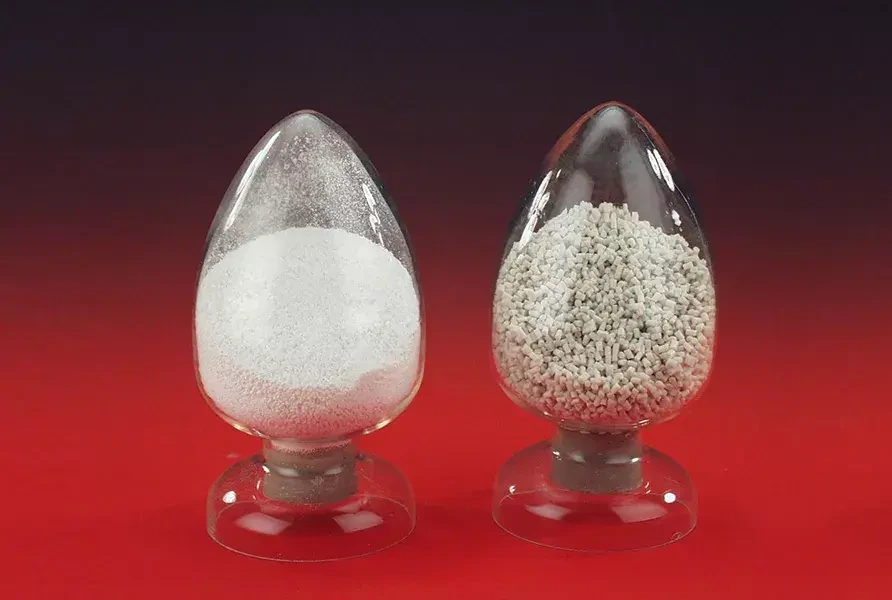
Poly(3-hydroxybutyric acid-CO-3-hydroxyvaleric acid) CAS 80181-31-3
Poly(3-hydroxybutyric acid-CO-3-hydroxyvaleric acid) CAS 80181-31-3
A biodegradable polymer material derived from biological fermentation, which has excellent biocompatibility, processability and environmental friendliness. It is made from renewable biomass and synthesized through microbial fermentation. Eventually, it can be completely degraded into carbon dioxide and water in natural environments such as soil and seawater, reducing plastic pollution from the source.
Product Details
| Melting index (190℃, 2.16kg),g/10min | 3-15 |
| Moisture and volatiles,% | ≤0.5 |
| Melting point,% | 170-175 |
| Density,g/cm3 | 1.25 |
| Nominal tensile strain at break,% | 2-5 |
Physicochemical properties
1. Fully biobased and degradable, it is synthesized from renewable biomass such as starch and molasses through microbial fermentation. Eventually, it can be completely degraded into carbon dioxide and water in natural environments like soil and seawater, leaving no residual pollution. It is truly an environmentally friendly material.
2. Outstanding biocompatibility: It has good cell affinity and tissue compatibility. It can be enzymatically hydrolyzed and absorbed in the body without immune rejection reactions, making it an ideal choice for medical implant materials.
3. Flexible processability: It can be formed through traditional plastic processing techniques such as injection molding, blown film, and spinning, without the need for additional equipment. It is compatible with existing production lines, reducing the cost of industrial upgrading.
4. Customizable performance: By adjusting the ratio of hydroxybutyric acid to hydroxyvaleric acid in the copolymer, the melting point, flexibility, and degradation cycle of the material can be precisely controlled to meet the personalized needs of different scenarios.
product application
1. In the field of environmental packaging:
Single-use packaging: Food packaging bags, tableware, and courier cushioning materials, replacing traditional PE and PP plastics to reduce white pollution.
Agricultural applications: Biodegradable agricultural film, seedling trays, requiring no manual recycling, naturally degrading during the crop growth cycle, improving soil quality.
2. In the field of biomedicine:
Medical consumables: Absorbable surgical sutures, bone repair scaffolds, drug sustained-release microspheres, achieving gradual degradation and absorption after implantation in the body, avoiding the need for secondary surgery for removal.
Tissue engineering: Serving as a cell carrier to construct artificial tissues, used for tissue repair and regeneration of skin, cartilage, etc.
3. In the fields of textiles and daily necessities:
Biodegradable fibers: Producing environmentally friendly clothing fabrics, non-woven fabrics, used for disposable masks, hygiene products, etc., which can naturally degrade after use.
Daily necessities: Biodegradable toothbrushes, combs, etc. for personal care, reducing the pressure of plastic waste on the environment.
FAQ
The target market of our brand has been continuously developed over the years. For more information, please reach our team, we are more than happy to help.
With a professional and experienced team, coupled with strong technical support from our partnerships with research institutes, we excel in developing innovative chemical products for our customers. If you are seeking to source new products, we are undoubtedly your ideal choice.