


Sulfanilic acid CAS 121-57-3
Sulfanilic acid CAS 121-57-3
It has the characteristics of high temperature resistance, poor water solubility and stable chemical properties. This product possesses both acidic and basic functional groups and can undergo various reactions such as sulfonation, coupling and condensation. It is a core raw material in the fields of dyes, medicine and pesticides. In the dye industry, it is a key intermediate for preparing azo dyes, acid dyes and reactive dyes, and can give dyes excellent coloration and weather resistance.
Product Details
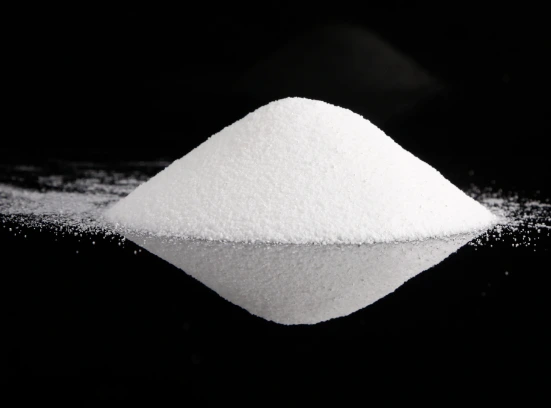
| Appearance | White powder |
| Content % | ≥99.0% |
| Aniline Residue % | ≤0.02% |
| Water Insoluble Substance % | ≤0.10% |
Product superiority
1. Chemically stable, with controllable reactivity
The p-aminobenzenesulfonic acid molecule possesses both amino (-NH₂) and sulfonic acid (-SO₃H) functional groups, exhibiting both acidic and basic properties. It can precisely undergo directional reactions such as sulfonation, coupling, and condensation, and remains chemically stable at room temperature. During storage and transportation, it is not prone to decomposition or deterioration, thereby reducing the risk of use.
2. Purity is easy to control, suitable for refined production
Industrial production can achieve a high purity of over 99%, with extremely low impurity content. It can meet the strict purity requirements of fields such as medicine and high-end dyes, avoiding the impact of impurities on the performance of end products and reducing subsequent purification processes, thereby lowering production costs for enterprises.
3. High cost-effectiveness, suitable for large-scale application
The raw materials are readily available, the production process is mature, and compared to similar organic intermediates, it has a significant price advantage. Moreover, the supply is stable, enabling large-scale continuous industrial production and meeting the batch purchase demands of industries such as dyes and pesticides.
Application scenarios
1. Dye Industry: As a key intermediate for azo dyes, acid dyes, and reactive dyes, by coupling with different color bases, various color series of dyes such as red, blue, and black are prepared, which are widely used in the dyeing of natural fibers like cotton, linen, wool, and silk, as well as synthetic fibers, providing excellent color fastness, wash resistance, and sun resistance to the fabrics.
2. Pharmaceutical Industry: It is the core precursor of sulfonamide antibacterial drugs. Through further reactions such as acylation and cyclization, classic anti-infective drugs like sulfadiazine and sulfamethoxazole are synthesized, occupying an irreplaceable position in the production of antibacterial and anti-inflammatory drugs; at the same time, it can also be used to prepare medical diagnostic reagents, such as color-developing reagents for detecting proteins in urine.
3. Pesticide and Dyeing Auxiliary Materials Field
Pesticide: It is used for synthesizing agricultural chemicals such as herbicides and fungicides, improving the targeting and stability of pesticides;
Dyeing Auxiliary Materials: It can be used to prepare fixation agents and uniforming agents, improving the uniformity of fabric dyeing, reducing dye shedding, and enhancing the quality of dyeing products.
FAQ
The target market of our brand has been continuously developed over the years. For more information, please reach our team, we are more than happy to help.
With a professional and experienced team, coupled with strong technical support from our partnerships with research institutes, we excel in developing innovative chemical products for our customers. If you are seeking to source new products, we are undoubtedly your ideal choice.