



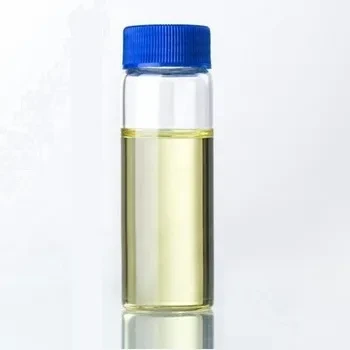
Tris (2-chloroethyl) Phosphate CAS. No 115-96-8 - 115-96-8 and Tris (2-chloroethyl) Phosphate TCEP
Tris (2-chloroethyl) Phosphate TCEP CAS. No 115-96-8
Tris(2-chloroethyl) phosphate (TCEP) has a molecular formula of C6H12Cl3O4P and a molecular weight of 285.4898. It is soluble in common organic solvents, insoluble in aliphatic hydrocarbons, and almost insoluble in water, with good hydrolytic stability; it undergoes slight decomposition in alkaline solutions. This product is non-toxic and has no obvious corrosivity.
Product Details
115-96-8 Tris(2-chloroethyl) phosphate
| Product Name | Tris(2-chloroethyl) phosphate |
| Synonyms | Tris(β-chloroethyl) phosphate; TCEP; tris(1-chloroethyl) phosphate |
| Molecular Formula | C6H12Cl3O4P |
| Molecular Weight | 285.4898 |
| InChI | InChI=1/C6H12Cl3O4P/c1-4(7)11-14(10,12-5(2)8)13-6(3)9/h4-6H,1-3H3 |
| CAS Registry Number | 115-96-8 |
| EINECS | 204-118-5 |
| Molecular Structure |  |
| Density | 1.385g/cm3 |
| Melting point | -51ºC |
| Boiling point | 286.6°C at 760 mmHg |
| Refractive index | 1.459 |
| Flash point | 156.8°C |
| Water solubility | 7 g/L (20ºC) |
| Vapour Pressur | 0.0045mmHg at 25°C |
Uses: This product is widely used as a flame retardant for chemical fiber fabrics and cellulose acetate. In addition to providing self-extinguishing properties, it can also improve water resistance, low-temperature resistance, and antistatic properties. It is mainly used for flame retardation of polyurethane foam as well as flame-retardant plasticization of polyvinyl chloride (PVC).
FAQ
The target market of our brand has been continuously developed over the years. For more information, please reach our team, we are more than happy to help.
With a professional and experienced team, coupled with strong technical support from our partnerships with research institutes, we excel in developing innovative chemical products for our customers. If you are seeking to source new products, we are undoubtedly your ideal choice.